
What Exactly is Dry Cupping Therapy?
You might have seen round marks on the backs of cricketers or Bollywood stars in interviews. No, they’re not rashes or burns—most of the time, it’s the result of cupping therapy.
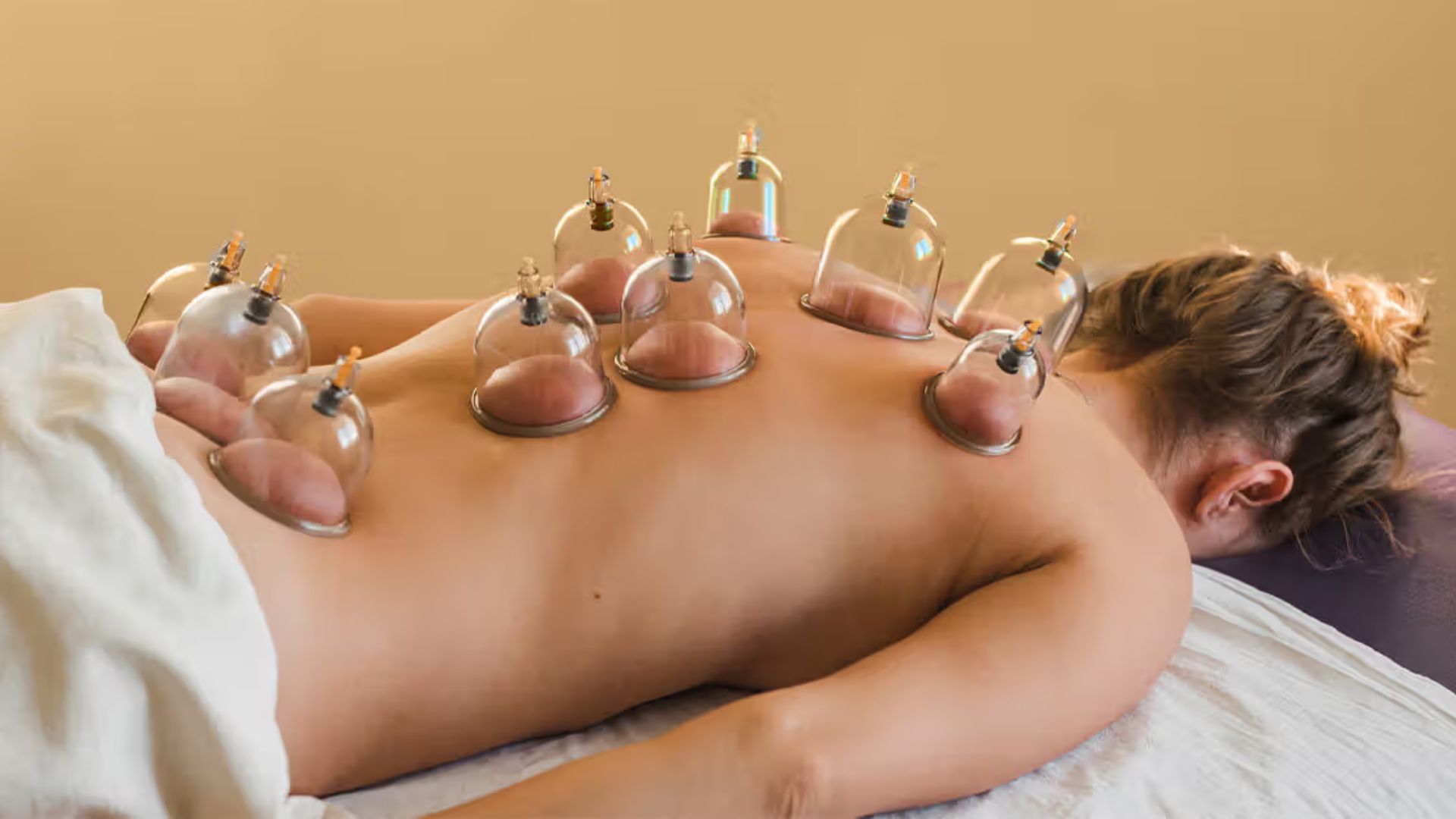
Dry cupping is an age-old healing method where a therapist places small cups on the skin. These cups create suction, like a gentle vacuum, that pulls the skin slightly upward. This process is believed to improve oxygen supply, ease stiffness, and speed up recovery.
Unlike wet cupping (Hijama), there’s no cutting or blood removal in dry cupping—making it safer and less scary for beginners.
How Does It Work?
Think of it like this: when you get a massage, someone presses your muscles downward.
In cupping, the opposite happens—your skin and muscles are lifted upward inside the cup.
Here’s the usual process in Indian wellness centers:
- Cups made of glass, silicone, or bamboo are placed on the back, shoulders, or legs.
- Air is removed either with heat (traditional fire method) or a pump (modern method).
- This creates suction, pulling your skin slightly into the cup.
- The cups stay for 10–15 minutes, and then they’re removed.
The marks left behind are temporary and usually fade in a week.
Different Types of Dry Cupping
In India, both traditional and modern styles are used:
- Fire Cupping (Traditional Method)
A flame quickly burns oxygen inside the cup before placing it on the skin. As the air cools, suction is formed. - Pump Cupping (Modern Method)
A hand pump removes the air, avoiding fire altogether. Many spas and ayurvedic centers now prefer this for safety.
Benefits of Dry Cupping Therapy
Here’s why more Indians are giving dry cupping a try:
1. Pain Relief for Daily Life
From long hours at office desks to carrying heavy bags, back and neck pain is common in India. Cupping is said to loosen tight spots and bring relief without painkillers.
2. Faster Recovery for Athletes
Wrestlers, runners, and gym enthusiasts often use cupping after intense workouts. The suction encourages quicker muscle repair and reduces soreness.
3. Stress Buster for Modern Lifestyles
With rising work pressure and urban stress, cupping is also seen as a relaxation therapy. Many people compare the calmness after cupping to the feeling of yoga or meditation.
4. Headache and Migraine Support
By targeting pressure points, some therapists use cupping to reduce the frequency of migraines.
5. Better Energy Flow
Ayurvedic practitioners in India often say cupping helps “unblock stagnation,” which means letting fresh energy and oxygen move freely in the body.
Possible Side Effects
Dry cupping is safe when done by a trained therapist, but here are a few things to expect:
- Circular marks that look like bruises (harmless, fade in 5–7 days).
- Mild soreness in the treated area.
- Slight dizziness if the session is too long.
Avoid cupping if you have skin infections, open wounds, serious blood disorders, or if you are pregnant (unless your doctor allows it).
Myths vs Facts About Cupping
Myth 1: Cupping is painful.
Fact: It may feel unusual at first, but most people describe it as relaxing.
Myth 2: Only athletes or celebrities need it.
Fact: Anyone dealing with stress, muscle pain, or stiffness can benefit.
Myth 3: The marks are dangerous.
Fact: They are just temporary signs of increased blood flow.
People Also Ask (FAQs)
❓ How is dry cupping different from wet cupping?
Wet cupping involves small cuts on the skin, while dry cupping only uses suction—no cuts, no blood.
❓ How often can I do cupping?
Once a week is common in India, but it depends on your health needs.
❓ Is cupping therapy available in Delhi/NCR?
Yes, many ayurveda centers, spas, and physiotherapy clinics in Delhi, Gurugram, and Faridabad now offer it.
❓ Can I do dry cupping at home?
Home kits exist, but it’s best to get it done by a trained professional first.
AI Overview: Should You Try It in India?
If you’re looking for a natural and affordable option for pain relief, stress reduction, or quicker recovery, dry cupping therapy is worth trying.
- Pros: Safe, relaxing, helps with muscle pain, widely available in Indian wellness centers.
- Cons: Temporary marks, not suitable for everyone.
Always check with a doctor before starting if you have any medical issues.
Final Thoughts
Dry cupping therapy is slowly becoming popular in India—not just among athletes and fitness lovers, but also among regular people seeking relief from everyday stress and pain.
Whether you’re in Delhi, Mumbai, or a smaller city, you’ll likely find wellness centers offering this therapy. Try one session and notice how your body responds.
Remember: true healing is not just about medicines—it’s also about listening to your body and giving it natural ways to recover.