
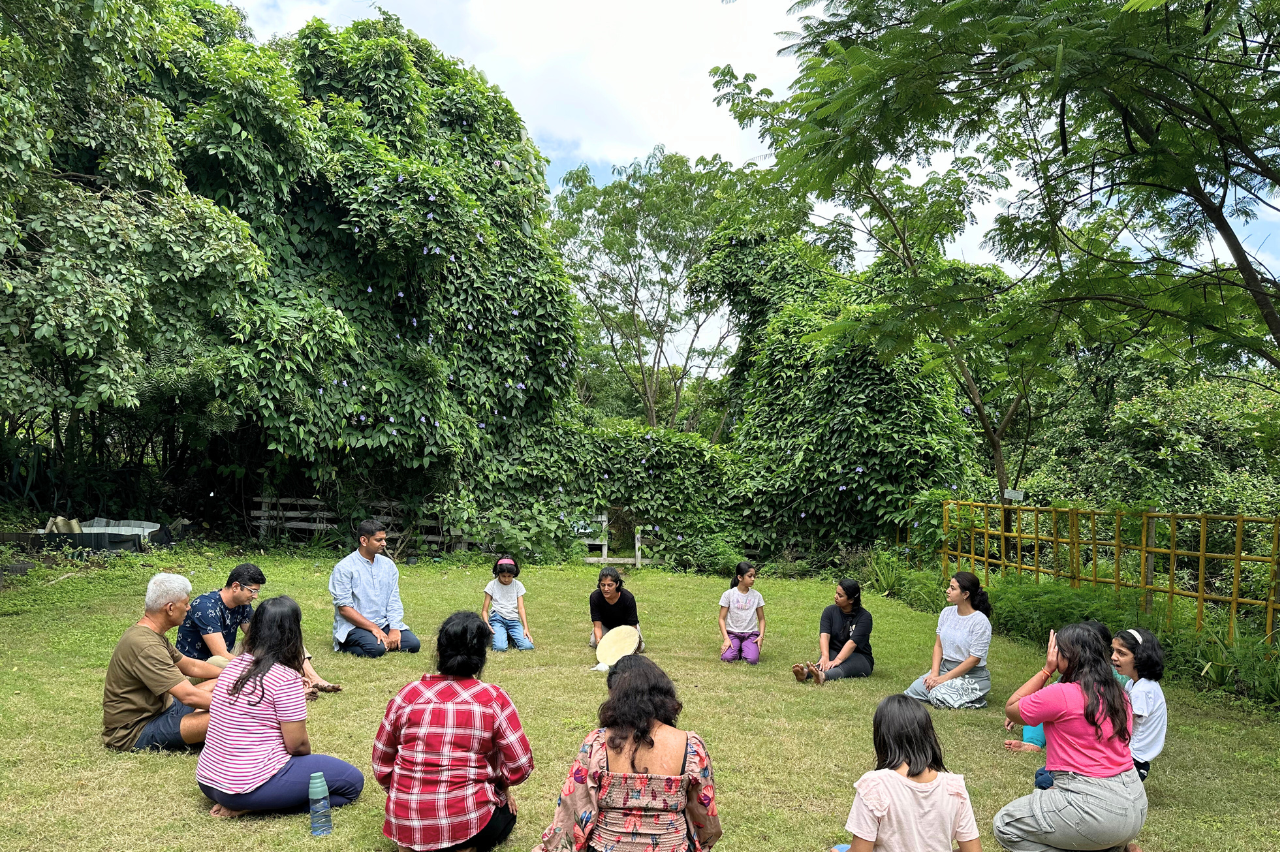
There is a difference between a holiday and a retreat. A holiday is what you do when you need to get away. A retreat is what you do when you need to come back — to yourself, to your body, to the rhythms that the pace of modern life has drowned out.
Most people know they need the second thing but book the first thing. They choose comfort over transformation, convenience over commitment, Instagram scenery over the quieter, more challenging business of actually healing.
Rishi Bhumi was built for the second kind of person. Set on 9 acres of pristine land on the Kullu–Naggar–Manali Road in Himachal Pradesh, it is a wellness centre and retreat that operates from a founding principle expressed in its guiding mantra: Sarve Santu Niramaya — may all beings be healthy. Not comfortable. Not distracted. Healthy.
This guide is a complete portrait of what Rishi Bhumi offers: its treatments, its approach, its seasons, and what you can expect if you choose to spend time here. For anyone searching for a yoga retreat, a meditation centre, an Ayurveda retreat, or a wellness resort in the Himalayas — and wanting something real rather than simply scenic — this is your reference.
“Very different from a normal wellness center. They know what ur body needs and accordingly help you with therapies.” — Verified Google review, Rishi Bhumi
Where Rishi Bhumi Is — and Why This Location Is Specific, Not Incidental
Rishi Bhumi is located at Sadhna Dham, Village, Kullu–Naggar–Manali Road, Kullu, Himachal Pradesh — a stretch of the Beas valley that sits between the cultural depth of Naggar Castle (5 km) and the mountain grandeur of Manali, in a zone that is dramatically less commercialised than Manali’s main tourist corridor while being just as beautiful.
This matters. A wellness retreat that sits in the middle of a busy tourist town is a contradiction. The environment of a retreat — the air, the soundscape, the quality of silence — is not incidental to the healing. It is the healing. Himachal Pradesh’s Kullu valley provides what no urban wellness centre or compromise beach resort can: clean mountain air at altitude, the sound of the Beas river, pine forests, and a cultural landscape shaped by thousands of years of spiritual practice.
Getting there: The nearest airport is Bhuntar (50 km), which has connections from Delhi. Joginder Nagar railway station is the closest railhead. By road, Manali is well-connected from Delhi (540 km, ~12 hours by overnight bus) and Chandigarh (270 km, ~6 hours). Overnight luxury buses to Kullu or Manali run regularly from Delhi, Chandigarh, and other North Indian cities.
“Nestled amidst the tranquil embrace of the majestic Himalayas, Rishi Bhumi is more than just a retreat — it’s a sanctuary for holistic healing and rejuvenation.” — BookRetreats listing
What Separates Rishi Bhumi From Other Wellness Retreats in Himachal Pradesh
Himachal Pradesh has no shortage of places calling themselves yoga retreats or wellness resorts. What most of them offer is a combination of yoga classes, scenic accommodation, and a vague proximity to nature. Rishi Bhumi is structurally different in three ways that matter.
Medical supervision from qualified Ayurveda and Naturopathy doctors
All treatments at Rishi Bhumi are supervised by qualified Ayurveda and Naturopathy doctors. Before any therapy is prescribed, a personalised wellness consultation determines your Prakriti (Ayurvedic body constitution), identifies imbalances, and creates a treatment plan specific to your needs and health history. This is the difference between receiving a relaxation massage and receiving targeted therapeutic care. Guests are asked to bring their latest medical reports at check-in for this reason.
A genuine treatment menu — not a spa menu
The treatments offered at Rishi Bhumi — Kati Basti, Akshi Tarpan, wet and dry cupping, Panchakarma, Shirodhara, Abhyangam, Janu Basti, and others — are clinical Ayurvedic and naturopathic therapies with documented traditions and specific applications. They are not spa add-ons. They are treatments with purposes, administered by trained practitioners, prescribed after assessment. A detailed explanation of each is in the section below.
Sattvic meals from the land itself
The food at Rishi Bhumi is sattvic — organic, freshly prepared, locally sourced, and aligned with Ayurvedic principles of nourishment and ease of digestion. Breakfast brings fresh juices, herbal teas, and wholesome porridge. Lunch is a nutritious sattvic thali with organic vegetables, lentils, and chapati. Dinner is light and digestive — soups, stews, and detox preparations. Outside food, non-vegetarian food, and alcohol are not permitted. This is not a restriction; it is the entire point.
The strictness of this environment is precisely what makes a Rishi Bhumi stay different from a comfortable hill station holiday. The sattvic container — clean food, clean air, clean practice — creates the conditions in which genuine healing becomes possible.
“Beautiful Place in the Mountains. They have all the Naturopathy and Panchkarma treatments available. First you will consult with the Doctor and also you can know your Prakriti of Body then take the treatments as per advised by the Doctor.” — BookRetreats verified guest
The Treatments at Rishi Bhumi: What They Are and Who They’re For
One of the most consistent sources of confusion for people researching wellness retreats in India is the treatment menu. Terms like Kati Basti, Akshi Tarpan, and wet cupping appear on retreat websites without explanation — and the absence of clear information makes it hard to know whether a particular therapy is right for you.
This section explains each treatment clearly, drawing on established Ayurvedic and naturopathic tradition.
Note: The following descriptions are for educational purposes about traditional Ayurvedic and naturopathic practices. They are not medical advice. All treatments at Rishi Bhumi are prescribed and supervised by qualified Ayurveda and Naturopathy doctors after individual clinical consultation. Consult your personal physician before undertaking any therapeutic programme if you have existing medical conditions.
| Treatment | Tradition | Primary Focus | Who Benefits Most |
| Kati Basti | Ayurveda | Lower back, lumbar spine, Vata pacification | People with lower back discomfort, spinal tension, or prolonged sitting fatigue. Warm medicated oil retained on the lumbar region for 30–45 minutes. |
| Akshi Tarpan | Ayurveda | Eye nourishment, ocular health, screen fatigue | Those experiencing eye strain from screen use, dryness, early fatigue. Medicated ghee applied in a dough-ring around the eye socket. All treatments supervised by qualified doctors. |
| Dry Cupping | Naturopathy / Traditional | Circulation, muscle tension, energy pathways | Chronic muscle tightness, poor circulation, postural fatigue. Cups create suction to lift soft tissue and stimulate blood flow. No incision involved. |
| Wet Cupping | Traditional (Hijama) | Detoxification, blood purification, chronic pain | Those seeking deeper detoxification. Involves controlled micro-incisions to draw out stagnant blood. Performed only by qualified practitioners after clinical assessment. |
| Panchakarma | Ayurveda | Full-body detoxification, dosha rebalancing | Multi-day residential programme combining five cleansing procedures — tailored after Prakriti assessment by an Ayurvedic doctor. The most comprehensive Ayurvedic detox available. |
| Shirodhara | Ayurveda | Nervous system calming, stress relief, insomnia | A continuous, gentle stream of warm medicated oil poured over the forehead. Deeply calming for anxiety, overthinking, and disturbed sleep. |
| Janu Basti | Ayurveda | Knee joint health, osteoarthritis support | Warm oil retained over the knee joint. Nourishes cartilage, supports mobility, and reduces inflammation. Ideal for those with knee discomfort or restricted movement. |
| Abhyangam | Ayurveda | Lymphatic drainage, circulation, overall rejuvenation | Full-body warm oil massage — the foundation of Ayurvedic body care. Calms the nervous system, improves skin quality, and supports detoxification. Recommended for all guests as the baseline treatment. |
Kati Basti — The Ayurvedic Answer to Lower Back Suffering
Kati Basti is one of Ayurveda’s most celebrated targeted therapies and the one most guests arrive specifically asking about. In Sanskrit, Kati means lower back or lumbar, and Basti refers to the retention of a therapeutic substance. The treatment involves creating a sealed ring of black gram flour dough on the lumbar region, filling it with warm medicated oil — chosen specifically for your dosha imbalance and condition — and maintaining that pool of warm oil over the lower back for 30 to 45 minutes as the body absorbs its properties.
From an Ayurvedic perspective, chronic lower back tension is predominantly a Vata imbalance — characterised by dryness, instability, and impaired circulation in the lumbar region. Kati Basti directly addresses this by delivering warmth, medicated nourishment, and Vata-pacifying properties to the affected tissues. The warm oil softens stiffness, improves circulation, and allows the herbal properties to penetrate into the muscles, joints, and spinal tissues. The treatment is non-invasive, gentle, and can be deeply soothing even in the first session.
In the Himalayan setting of Rishi Bhumi, with mountain air and clean silence, the experience of Kati Basti takes on a quality that a clinical treatment room in a city cannot replicate.
Akshi Tarpan — Nourishing Eyes in the Age of Screens
Akshi Tarpan (also called Netra Tarpana) is Ayurveda’s dedicated eye nourishment therapy. In Sanskrit, Akshi means eyes and Tarpan means nourishment. The treatment involves creating a dough-ring border around the eye socket, filling it with warm medicated ghee or oil, and allowing the eyes to rest, move, and absorb the preparation for a prescribed duration.
In traditional Ayurvedic understanding, the eyes are governed by the Pitta dosha — the fire element. Excess screen use, harsh artificial light, environmental dryness, and prolonged concentration all aggravate Pitta in the ocular region, leading to strain, dryness, redness, and deteriorating visual clarity. Akshi Tarpan counteracts this by deeply lubricating the ocular tissues, nourishing the optic nerve, and providing the eyes with therapeutic rest. It is considered both preventive — for those with healthy eyes who wish to maintain their clarity — and therapeutic, for those experiencing strain, dryness, or early fatigue.
In the context of a Rishi Bhumi retreat, where guests are asked to minimise screen time and connect with the natural environment, Akshi Tarpan often becomes one of the most unexpectedly profound experiences of a stay.
Dry and Wet Cupping — Ancient Therapy, Modern Relevance
Cupping therapy has roots in multiple ancient traditions — Ayurveda, traditional Chinese medicine, and Unani medicine all have forms of it. At Rishi Bhumi, both dry and wet cupping are offered as part of the naturopathic treatment menu.
Dry cupping creates suction through cups placed on the skin, lifting the soft tissue beneath and stimulating circulation, lymphatic drainage, and energy pathway movement. It does not involve any incision. The sensation is one of deep pressure and release — commonly described as a reverse massage. It is particularly useful for chronic muscle tightness, tension held in the back and shoulders, and postural fatigue that conventional massage does not fully address.
Wet cupping (known in some traditions as Hijama) involves controlled micro-incisions in the skin followed by suction, intended to draw out stagnant blood and contribute to deeper detoxification. It is a more significant procedure, performed only after thorough clinical assessment by qualified practitioners, and is not appropriate for everyone. It is offered at Rishi Bhumi for those for whom the clinical assessment determines it appropriate.
The Retreat Programmes at Rishi Bhumi
7-Day Spiritual Awakening & Wellness Retreat
The flagship programme, available year-round. Seven days of personalised Ayurvedic and naturopathic treatment, daily yoga and meditation sessions (morning and evening), sattvic meals, nature walks, and holistic wellness consultations. Each day is structured around the rhythm of the Himalayan environment: sunrise yoga, treatment sessions mid-morning, a meditative afternoon, and restorative evening practice.
Programmes are available from US$ 557 per person for the seven-day residential stay including all meals, consultations, and treatment sessions. Group and solo programmes are available; retreats are also available for leaders who want to host their own retreat groups using Rishi Bhumi’s facilities and expertise.
Day 1: Arrival, welcome session with herbal tea, personal doctor consultation for Prakriti and wellness goal assessment, evening yoga and guided meditation.
Days 2–6: Sunrise yoga and pranayama, personalised therapy sessions, sattvic breakfast, nature walk or contemplative activity, lunch, rest or additional consultation, afternoon wellness workshop, dinner, evening meditation.
Day 7: Morning practice, closing consultation, check-out after morning therapies.
Weekend Retreat in Manali / Kullu
For those who cannot commit to a full week, a shorter weekend retreat is available — two to three days of the core experience: consultation, primary therapies, daily yoga and meditation, sattvic meals, and the Himalayan environment. The weekend retreat is particularly popular with guests from Delhi, Chandigarh, and other North Indian cities who arrive on Friday evening and depart Sunday or Monday.
Retreat Leader & Group Programmes
Rishi Bhumi’s 9-acre campus is available for retreat leaders and organisations hosting their own wellness, yoga, meditation, or corporate wellness retreats. The property provides the physical space, the Himalayan setting, and the therapeutic infrastructure; retreat leaders bring their own curriculum and community. This is one of the most thoughtful aspects of the Rishi Bhumi offering — a recognition that great retreat spaces should be accessible to communities and teachers, not just individual guests.
When to Visit Rishi Bhumi: Seasons at a Glance
| Season | Temperature | Atmosphere | Best Therapies | Best For |
| Spring (Mar–May) | 10°C–20°C days | Blooming flora, crisp air, very quiet | Outdoor yoga, nature walks, detox programmes | Those needing a reset after winter. Ideal first visit. |
| Summer (Jun–Aug) | 15°C–25°C days | Lush green, light rains, full Himalayan colour | Panchakarma, immersive yoga programmes, meditation retreats | Families, couples, residential retreat groups. Peak season. |
| Autumn (Sep–Nov) | 10°C–20°C days | Golden light, clear skies, quieter than summer | Kati Basti, Shirodhara, Abhyangam, rejuvenation | Solo travellers, deep-healing seekers, long-stay guests. Most sublime season. |
| Winter (Dec–Feb) | –5°C to 10°C | Snow, stillness, meditative silence | Indoor therapies, cosy meditations, Panchakarma detox | Those seeking inner quietude; experienced meditators; bold travellers. |
Rishi Bhumi operates year-round. Unlike many Himalayan retreat centres that close for winter, Rishi Bhumi remains open through the colder months for those seeking a more inward, contemplative experience. The snow season (December to February) is the least crowded and most meditative — recommended for experienced practitioners comfortable with the cold.
Frequently Asked Questions About Rishi Bhumi and Wellness Retreats in the Himalayas
What is Kati Basti treatment, and where can I experience it in Himachal Pradesh?
Kati Basti is an Ayurvedic therapy for the lower back in which warm medicated oil is retained within a sealed dough-ring on the lumbar region for 30–45 minutes. It is traditionally used to address lower back tension, spinal stiffness, and related Vata imbalances. Rishi Bhumi in Kullu, Himachal Pradesh, offers Kati Basti as part of its supervised Ayurvedic treatment programme, prescribed after individual Prakriti assessment by a qualified Ayurvedic doctor.
What is Akshi Tarpan and how does it help with eye strain?
Akshi Tarpan (Netra Tarpana) is an Ayurvedic eye nourishment therapy in which warm medicated ghee is retained within a dough-ring around the eye socket. It is traditionally used to support ocular health, relieve eye strain from screen use and environmental dryness, and nourish the optic tissues. At Rishi Bhumi, Akshi Tarpan is offered as part of the personalised Ayurvedic treatment programme and is supervised by qualified practitioners.
What is the difference between dry and wet cupping therapy?
Dry cupping involves placing suction cups on the skin to lift the soft tissue, stimulate circulation, and release muscular tension — no incision is involved. Wet cupping (Hijama) involves controlled micro-incisions followed by suction, traditionally intended for deeper detoxification. Both are ancient practices used in Ayurvedic and naturopathic traditions. At Rishi Bhumi, both are offered under clinical supervision after individual assessment to determine appropriateness.
How do I find a good meditation retreat in India, specifically in the Himalayas?
The most important factors in choosing a meditation retreat in India are: qualified teachers or doctors on-site, a structured daily programme (not just drop-in sessions), genuine sattvic or clean food, a removal from urban distraction, and a physical environment that supports inward focus. Rishi Bhumi in Kullu–Manali meets all of these criteria — with daily yoga and meditation sessions led by experienced teachers, all meals included, and a 9-acre natural campus in the Beas valley.
What is a yoga retreat and what makes Rishi Bhumi different?
A yoga retreat is an immersive residential programme combining daily yoga practice, meditation, and supporting lifestyle elements (food, nature, therapeutic care) in a dedicated environment away from ordinary life. What distinguishes Rishi Bhumi from a typical yoga retreat is the integration of qualified Ayurvedic and naturopathic clinical care — each guest’s yoga and meditation programme is informed by their Prakriti assessment and personalised wellness consultation, making the yoga practice genuinely therapeutic rather than generic.
Is Rishi Bhumi suitable for someone with no prior yoga or meditation experience?
Yes. Rishi Bhumi’s programmes are designed for all levels — from complete beginners to experienced practitioners. The initial consultation helps the team understand where each guest is starting from, and all yoga and meditation sessions are adapted accordingly. First-time retreatants often find the structured, guided, medically supervised environment more supportive than open communities or self-directed retreats.
What are the best wellness retreats in India in the Himalayas?
Rishi Bhumi Wellness Centre, on the Kullu–Naggar–Manali Road in Himachal Pradesh, is consistently listed among the best wellness retreats in North India. It combines Ayurvedic and naturopathic clinical treatments (including Kati Basti, Panchakarma, Shirodhara, Akshi Tarpan, and cupping therapies) with daily yoga and meditation, sattvic meals, and a 9-acre Himalayan campus — all under the supervision of qualified doctors. The mantra Sarve Santu Niramaya — may all beings be healthy — is the guiding principle of everything here.
What should I bring to Rishi Bhumi?
A government-issued ID (Aadhaar Card or Passport). Your latest medical reports if available — important for the doctor’s Prakriti assessment and therapy prescription. Loose, comfortable clothes for yoga (salwar kameez, gowns, T-shirts, track pants, sports shoes). Layers for the Himalayan evenings. A willingness to be without your phone for extended periods. Everything else is already there.
Begin Your Retreat at Rishi Bhumi
The Himalayas have been a place of healing for thousands of years. Not because they are scenic — though they are — but because the altitude, the air, the silence, and the distance from ordinary life create the conditions in which the body and mind can stop performing and start restoring.
Rishi Bhumi exists to make that restoration deliberate, supported, and clinically guided — not left to chance or the quality of your own willpower. With qualified Ayurvedic and naturopathic doctors, a full spectrum of traditional therapies, daily yoga and meditation, and sattvic meals prepared from organic, local ingredients, it offers what the word retreat is supposed to mean.
9 acres. Clean mountain air. Qualified doctors. Personalised therapies — Kati Basti, Akshi Tarpan, Panchakarma, Shirodhara, cupping, Abhyangam. Daily yoga and meditation. Sattvic meals. The Himalayas. And the time to actually heal.